
How to Test if a Gemstone is Magnetic with a Neodymium Magnet
I once watched a dealer in Tucson sell a 'rare' black stone for a small fortune. He swore it was a natural hematite. One quick pass with my neodiamond magnet later, and it stuck like it was glued. It was just a man-made magnetic substitute. That moment taught me something critical: a neodymium magnet is one of the cheapest and most effective screening tools in a gemologist's kit. Honestly? Most people overthink this. They treat it like advanced physics. It's not. It's a simple physical test that can save you hundreds of dollars.
Look—the idea that all gemstones are non-magnetic is a myth. Some are naturally attracted to magnets. Others are not. And then there are the fakes. The synthetic stuff that clicks onto a magnet like a steel paperclip. That's where the magnetic attraction test becomes your best friend. You don't need a lab. You don't need a degree. You need a strong rare earth magnet, a steady hand, and a little bit of patience.
Seriously. It's that simple. But there are tricks to it. You have to know what you're feeling versus what you're seeing. A tiny vibration can mean something huge. A strong pull can mean a total fake. Let's break it down so you never get fooled at a market stall again.
Why Your Kitchen Magnet is Actually a Gemstone Detective
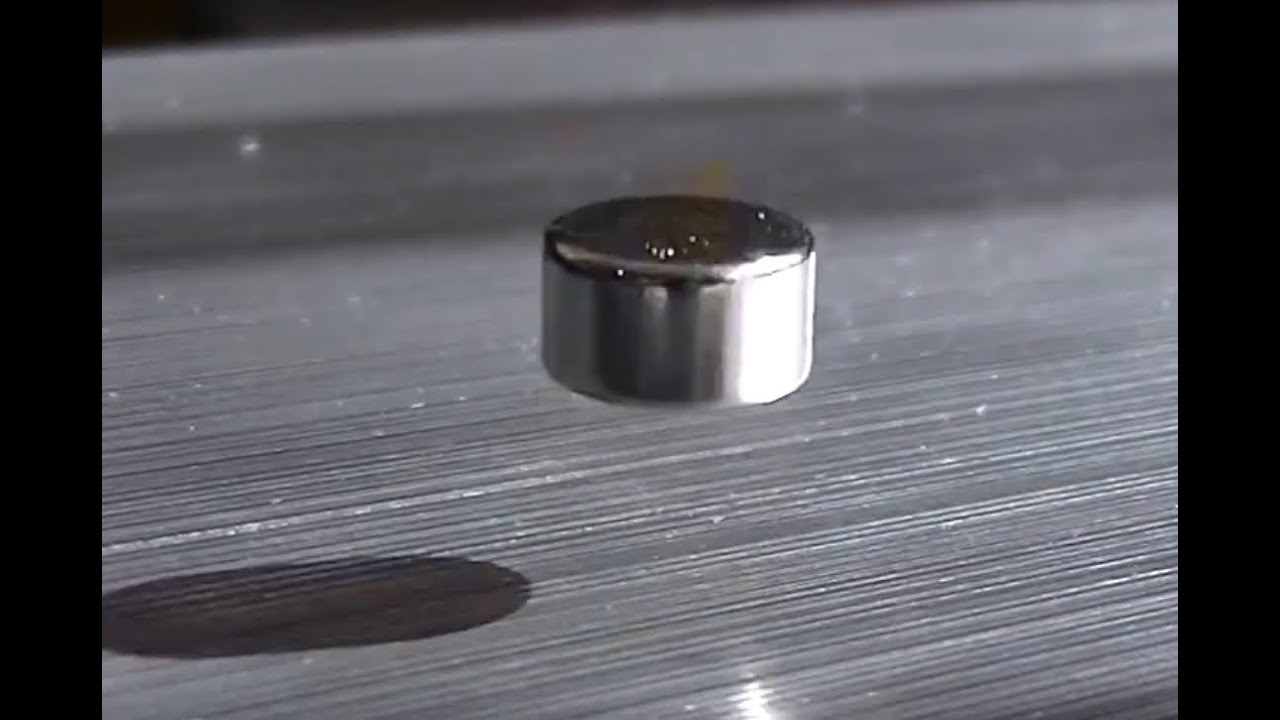
Most people grab the first magnet they see. A fridge magnet. A little round thing from a toy. That doesn't work. You need a neodymium magnet—specifically one rated N42 or higher. These are the silver, brittle, incredibly strong magnets you see in hard drives or industrial clamps. They are not toys. They will pinch your skin if you aren't careful. But they are the only tool strong enough to pick up the subtle magnetic signals in certain gemstones.
The science here is straightforward. Some minerals contain iron, nickel, or cobalt. Those elements respond to magnetic fields. A rare earth magnet creates a field strong enough to make those elements physically budge. Weak magnets? They don't create enough force. You end up with a false negative. That's how dealers get away with selling man-made magnetic hematite as the real thing—they know you aren't using a strong enough magnet.
It's a big deal. A real natural hematite is barely magnetic. A synthetic 'hematite' substitute is strongly magnetic. Without a strong magnet for gem testing, you won't tell the difference. You'll walk away thinking your stone is natural when it's really a chunk of pressed iron powder.
The Dirty Secret of the Gem Trade (and Why Magnets Matter)
There is a whole category of stones that are lab-grown specifically to mimic rare gems. Some of these synthetics contain iron compounds added to make them look darker or richer. That iron makes them magnetic. Natural stones rarely have that much free iron. So when your magnetic gemstone testing shows a strong pull, alarms should ring.
Think about it. A natural diamond is not magnetic. A natural ruby is not magnetic. But a synthetic cubic zirconia that's trying to pass as a rare black diamond? It might be. I've seen it happen. People buy so-called 'mystic' stones at flea markets, and the seller swears they are natural. One magnet test later, the truth appears. It's a cheap exit in a game full of expensive mistakes.
This is why I carry a neodymium magnet in my bag everywhere I go. It's smaller than a lighter. It costs about five bucks. And it has saved me from buying garbage more times than I can count. Seriously. Every gem hunter should have one.
What a Neodymium Magnet Can and Cannot Tell You
Let's be clear. The neodymium magnet test is not a final identification. It's a screening test. It tells you if the stone contains magnetic elements. It does not tell you exactly which mineral it is. A stone that attracts the magnet could be natural lodestone, natural pyrrhotite, or synthetic magnetic hematite. You need other tests to narrow it down—specific gravity, streak, refractive index.
But a stone that does NOT attract the magnet? That tells you something too. It rules out a lot of fakes. It also rules out genuine natural materials like magnetite, which is a magnetic mineral. So context matters. You have to know what you're looking for. A diamond that's magnetic is a red flag. A dark stone that's magnetic? That could be completely natural if it's a specimen of natural magnetic gemstone like hematite-included quartz.
Look—this test is a filter. It separates the obvious fakes from the maybes. And that's incredibly valuable when you're sorting through a pile of cheap stones at a show.
The Step-by-Step Process: How to Test if a Gemstone is Magnetic with a Neodymium Magnet
Alright, let's get hands-on. You need your neodymium magnet, your stone, and a flat, non-magnetic surface. A wooden table works great. A metal table will ruin your results. First, place the stone flat on the surface. Then, slowly bring the magnet toward the stone from about one inch away. Do not touch the stone yet. Watch carefully.
The key is subtlety. A strongly magnetic stone will jump toward the magnet from a distance. It will literally leap off the table. That's a high magnetic response. A weakly magnetic stone will not jump, but when you gently bring the magnet into contact with it, you'll feel a faint pull. It feels like static cling. It's very small. Most people miss it because they expect a big grab.
Seriously. I've seen people pick up their stone, stick a magnet to it, and say 'it's not magnetic' because the stone didn't fly off the table. That's not how it works. You have to let the stone rest and let the magnet do the work. Gravity is your friend here. It allows you to detect the tiniest tug.
Gathering Your Supplies (It's Just One Thing)
You really only need one supply: a rare earth magnet for stones. But I recommend having a few sizes. A small, strong disc about the size of a coin is perfect for most stones. A larger block—the size of a domino—gives you more field coverage for bigger rough pieces. Both are cheap. Buy them from a hardware store or online. Avoid the super cheap ones with a plastic coating. Those are often weaker.
I also use a piece of paper. Seriously. Place the stone on a piece of paper. Then slide the magnet under the paper. This eliminates any friction from the table surface and makes the magnetic response even more visible. The stone will move or roll when the magnet passes underneath. It's a great trick for small stones that are too light to feel the pull.
You might also want a specific gravity test kit handy. If a stone passes the magnet test with a weak pull, the specific gravity can confirm if it's natural or synthetic. That's a deeper dive, but it's worth doing if you are buying a high-value stone.
The Technique: Slow, Steady, and Silent
Move the magnet slowly. If you rush, you create air currents or accidentally flick the stone. Go in at a 45-degree angle. Approach the stone from the side, not directly from above. This allows gravity to keep the stone in place while the magnetic field tries to pull it sideways. You can feel the pull much easier this way.
Look—listen to the stone. Some magnetic stones make a tiny clicking sound when they touch the magnet. That's a strong response. Others are silent. You have to rely on feel. If the stone feels 'gritty' under the magnet, like it's resisting movement, that's a magnetic response. If it slides freely with no resistance, it's non-magnetic.
Practice on something you know is magnetic. A steel nail. A piece of magnetite. This calibrates your hand. You learn what a strong pull feels like. Then test a known non-magnetic stone—a piece of quartz or glass. You feel nothing. That contrast is your baseline.
The Magnetism Spectrum: Beyond Simple Yes or No
Not all magnetic responses are equal. There is a whole magnetism spectrum in gemology. Some stones are ferromagnetic—they are strongly attracted and can become magnetized themselves. Think of magnetite or lodestone. These are natural, but they are rare in jewelry. Most gemstones are paramagnetic or diamagnetic.
Paramagnetic stones have a weak attraction to magnets. They contain elements like iron, manganese, or chromium in small amounts. Natural gemstones that attract magnets like almandine garnet or certain tourmalines fall into this category. They don't leap at the magnet, but they move slightly. Diamagnetic stones are repelled by magnets. This is very weak and hard to feel. Quartz and diamond are diamagnetic.
Honestly? Most people will never feel diamagnetic repulsion with a hand-held magnet. It's too subtle. So for practical purposes, you are looking for either a clear attraction (stick) or no attraction (no stick). That's your two categories. But knowing the gradient helps you interpret a weak result correctly.
Ferromagnetic Freaks: The Obvious Attractors
If your stone snaps onto the magnet with audible force, you are holding something with a high iron content. Natural lodestone (magnetite) is one. Natural pyrrhotite (a bronze-colored mineral) is another. But the most common thing you'll see in the market is synthetic magnetic hematite. It's a man-made ceramic material that is very dense, very black, and very magnetic. It looks like hematite, but it's not.
Real natural hematite is a common paramagnetic gemstone. It has a weak to moderate attraction. You can feel it, but it doesn't grab. If you put a natural hematite against a neodymium magnet, it will stay stuck if you hold it there, but it will fall off easily if you shake it. Synthetic magnetic hematite will cling like a vice. That's the tell.
I've seen people buy large 'hematite' beads for bracelets, and every single one is synthetic. The natural stuff is actually quite brittle and hard to shape. So if you find a perfectly round, highly magnetic black bead, it's almost certainly man-made.
Paramagnetic vs. Diamagnetic: The Subtle Shift
This is where experience matters. A weak magnetic response gemstone might just have a tiny amount of iron in its crystal lattice. Think of a pale green peridot or a light pink tourmaline. You might not feel anything at all with a small magnet. But with a large, powerful N52 magnet, you might feel a slight hesitation or a gentle tugging sensation as you move it around.
I call this the 'ghost pull.' It's not strong enough to hold the stone, but it changes the way the stone slides on the table. It wobbles. It dances a little. That wobble is real, and it's a sign of natural paramagnetism. Diamagnetic stones like quartz will not wobble. They slide cleanly with no resistance.
This is why you should never rely on one test alone. The neodymium magnet test is a piece of the puzzle. Combine it with a streak test, a hardness test, and a visual inspection under a loupe. Then you build confidence.
The Critical Surface Test: Why Appearance Can Deceive You
Here is a trap I see everyone fall into. They test a stone that has a metal backing. A silver clasp. A gold setting. The magnet sticks to the setting, not the stone. You have to separate the stone from its mounting before you can trust the result. Alternatively, test the stone from the bottom side where no metal is present.
Another trap? Dust and filings. If your stone has been stored near iron filings or magnetic dust, those tiny particles can stick to the surface and make the stone appear magnetic. Wipe it clean with a dry cloth first. Seriously. You'd be surprised how many stones fail a magnet test just because they were resting on a dirty bench.
The surface texture matters too. A rough, porous stone can hold onto microscopic iron particles much more than a polished stone. A lodestone test with magnet on a rough surface can give you a false positive if the stone is just dirty. Always clean first.
Dealing with Metal Backings and Inclusions
Some stones have natural metallic inclusions. Pyrite in lapis lazuli. Hematite in quartz. These inclusions can make the whole stone respond to a magnet. That doesn't mean the stone is fake. It means you have a natural mineral with an iron-bearing inclusion. You need to look at the pattern of attraction.
Is the pull super localized to one spot? That's an inclusion. Is the pull uniform across the whole stone? That's the bulk material being magnetic. A magnet test for gem authentication works best when you move the magnet across different spots on the stone. This maps out where the magnetic material lives.
I had a client once with a beautiful green stone that showed a strong magnetic spot in one corner. It was a natural grossular garnet with a tiny piece of magnetite trapped inside. The stone itself was non-magnetic. The inclusion was the source. This is common, and it doesn't devalue the stone—it actually confirms its natural origin.
The Sensitivity Check: Don't Be Afraid to Get Close
Bring the magnet right up to the stone. Touch it. Then lift the magnet slowly. Does the stone lift with it? If yes, you have a strong attraction. If the stone slides off immediately when you tilt the magnet, that's a weak attraction. This simple lift test separates the 'stuck' from the 'barely clinging.'
For very small stones—chips or tiny cabochons—use the paper trick I mentioned earlier. Place the stone on a piece of paper, then bring the magnet from below. The stone will either slide toward the magnet or stay put. This eliminates the weight of the stone as a variable. It's pure magnetic force.
Look—I've tested stones as small as 2mm this way. It works. You just have to be patient and eliminate vibration. Rest your hand on the table. Breathe. Watch.
Cross-Referencing: Magnets Don't Replace a Loupe
Remember, a neodymium magnet is a tool, not a verdict. A magnetic result is a reason to investigate further, not a reason to throw the stone away. Many natural, valuable gemstones show weak magnetic properties. Almandine garnet is a classic example. It contains iron and will pull weakly. That is normal.
But a stone that is extremely magnetic and also has an unnaturally uniform color? That's a synthetic. So you have to look at the whole picture. Use a 10x loupe. Look for gas bubbles, swirling color bands, or growth lines that don't match natural formation. The magnet catches your attention; the loupe confirms your suspicion.
I also recommend a specific gravity test for borderline cases. Natural magnetic gemstones like almandine have a specific gravity around 4.0. Synthetic magnetic hematite has a specific gravity closer to 5.0 or even 5.2. That difference is easy to measure with a simple scale and a cup of water.
When the Magnet Tells You to Look Further
If a stone that should not be magnetic—like a ruby, sapphire, or diamond—shows any magnetic response, treat it as a major warning sign. Genuine rubies are paramagnetic only if they contain a lot of chromium, but the pull is incredibly weak. A strong pull means you are probably holding a glass imitation or a synthetic with iron doping.
I had a 'ruby' once that was perfect. Color, clarity, everything. But it stuck to my magnet like a dog to a bone. Turned out to be a man-made glass called 'ruby spinel' that was loaded with iron to adjust the color. The magnet saved me a serious loss. That stone was being sold as natural, mind you.
So trust the magnet, but verify with your eyes. That's the golden rule.
The Visual Cues That Confirm a Magnetic Result
Look for color zoning. Natural magnetic stones often have a blotchy or uneven color. Synthetic magnetic stones have a flat, uniform color. The difference is stark when you see them side by side. Also check for metallic luster. Natural hematite has a distinctive metallic sheen. Synthetic magnetic hematite looks more like painted plastic.
And don't forget the streak test. Scratch the stone against a piece of unglazed porcelain. Natural hematite leaves a red streak. Synthetic magnetic hematite leaves a gray or black streak. This is one of the most definitive tests you can do. The magnet and streak test combo is basically a reflex.
Combining these observations gives you confidence. You don't need to guess anymore. You have a method.
Common Questions About How to Test if a Gemstone is Magnetic with a Neodymium Magnet
Will a neodymium magnet scratch my gemstone?
No, if you are careful. A neodymium magnet is hard but not harder than most gemstones. However, it can chip a fragile stone if you let it snap on forcefully. Always approach slowly. Avoid dropping the magnet onto the stone. The magnet itself can chip too—they are brittle and will break if dropped.
Can I use a regular refrigerator magnet instead?
You can try, but it won't work for most stones. A fridge magnet is too weak to detect the subtle paramagnetism of natural gems. It will only pick up strongly ferromagnetic materials like steel or synthetic magnetic hematite. For serious gemstone magnetism testing, you need a true rare earth magnet.
Does a magnetic test work on diamonds?
Natural diamonds are diamagnetic, meaning they are very weakly repelled. You won't feel this with a hand-held magnet. However, some synthetic diamonds contain metallic inclusions that can make them slightly magnetic. A strong pull on a diamond is a huge red flag and suggests it's either a simulant or a heavily treated stone.
What does it mean if my gemstone is slightly attracted but not stuck?
That is a classic paramagnetic response. It means the stone contains small amounts of iron, manganese, chromium, or nickel in its crystal structure. This is perfectly normal for many natural gemstones like garnet, tourmaline, or peridot. It does not indicate a fake. It suggests a natural origin with trace element content.
Is a magnetic gemstone always fake?
Absolutely not. Many natural minerals are magnetic. Magnetite, lodestone, pyrrhotite, and certain garnets are all natural and magnetic. The key is the strength of the attraction. A very strong, grabby attraction is suspicious for most jewelry stones. A weak, subtle pull is often a sign of a genuine natural specimen. Context and cross-reference are everything.