
Unique Serial Barcodes Versus Shared SKU Barcodes: The Tracking Battle That Saves or Sinks Your Business
I remember the exact moment a client called me in a panic. They had shipped out $200,000 worth of electronics to a major retailer, and somehow, the entire lot got flagged as counterfeit. The problem? Every single box carried the same shared SKU barcode. When one unit was returned as defective, the retailer's system couldn't tell if they were scanning the actual bad unit or a perfectly good twin. That was the last time they ignored the difference between unique serial barcodes versus shared SKU barcodes.
Look—if you're running an inventory operation, this isn't some dusty theoretical question. It's the difference between knowing exactly what you have in your warehouse and playing an expensive game of blind guesswork. Let's cut through the noise. You've got two paths: stick every item under a generic flag, or give each individual unit its own digital fingerprint. The choice feels simple but the consequences are anything but.
Why Your Barcode Strategy Can Make or Break Your Inventory Accuracy
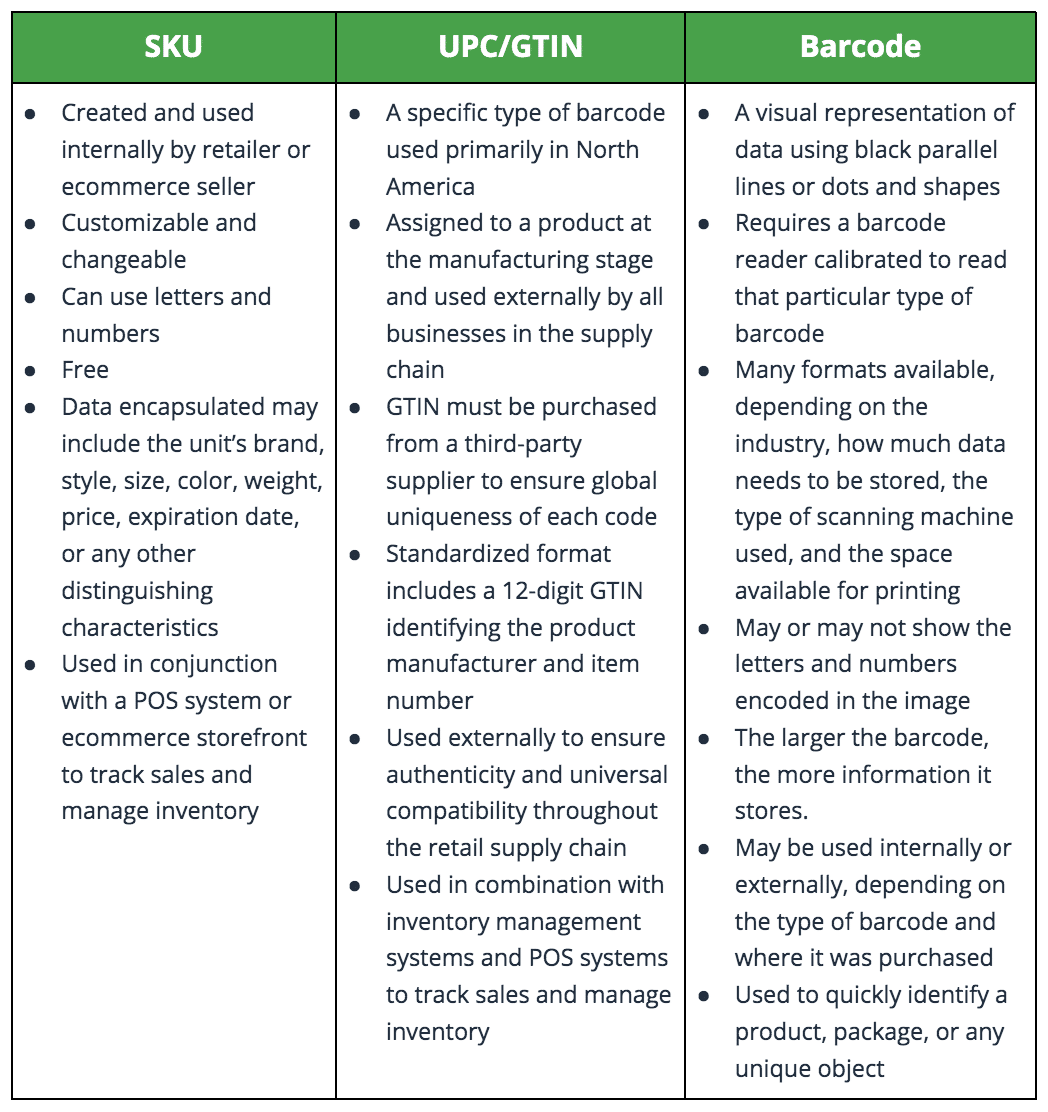
Let me be blunt. The core of this whole mess comes down to identity. A shared SKU barcode says, 'I am a red widget, size medium, from batch 42.' That's it. It's a category label. It doesn't care if you're scanning widget number one or widget number one thousand. Both will beep the same. And honestly? For a lot of businesses, that feels fine. Until it isn't.
Now, a unique serial barcode changes the game completely. This isn't just a product label; it's a birth certificate. It says, 'I am a red widget, size medium, from batch 42, AND I am specifically widget number 847.' Every unit gets a one-of-a-kind code. You can track that specific item from the assembly line all the way to the customer's doorstep. It's a big deal.
The Illusion of Simplicity with Shared SKUs
There's a reason shared barcodes are so popular. They are dead simple to set up. You print one label, slap it on everything, and move on. For commodities—think bags of coffee beans or cases of printer paper—this works beautifully. Nobody cares which specific bag went where. They care that they have 500 bags in stock. Seriously, if you're selling identical, interchangeable items, you can sleep fine with shared SKU barcodes.
But here's where the dream dies. The moment a customer returns a defective item, your shared system is useless. Did they send back the broken one from shelf three or the new one from shelf seven? You don't know. Your inventory count says you have five units, but two of them are actually returned junk. You just lost visibility. And if you're dealing with recalls? A shared SKU barcode forces you to pull every single item from every location because you cannot isolate the bad batch. That is a logistical nightmare.
When Serialization Becomes Your Only Safety Net
I've seen companies resist unique serial barcodes because of that initial overhead. They complain about slower receiving times and more complex system setups. They're not wrong about the cost, but they're missing the point entirely. The ROI hits you when things go sideways. Imagine you sell high-value automotive parts. One customer claims a critical component failed. With serialization, you trace that exact unit back to its production date, its machine operator, and its batch of raw materials. Without it? You're taking their word for it.
Honestly? The industries that get this right are the ones with skin in the game. Medical devices, aerospace components, high-end electronics—these sectors never even question unique serial barcodes versus shared SKU barcodes because they understand that a single defective unit can cost lives or millions of dollars. The question isn't 'Can we afford to serialize?' It's 'Can we afford not to?'
The Hidden Costs and Risks That Most People Ignore
Everyone talks about the upfront cost of serialization, but almost nobody talks about the silent bleeding that comes from poor tracking. Let me paint you a picture. Your business uses shared SKU barcodes. You have a warehouse with 10,000 identical units. Your staff picks, packs, and ships an order of 50 units. The system subtracts 50 from inventory. But what if a picker accidentally drops a box and damages three units? He tosses them in the trash. The system still thinks you have 10,000. You don't.
That shrinkage adds up. With a unique serial barcode, that damaged unit gets scanned out of existence. You can even log why it was removed. Your accountant sleeps better, and your procurement team stops over-ordering because the numbers actually match reality. It's a small operational discipline that compounds into huge savings.
- Recall Risk: With shared SKUs, you recall everything. With serialization, you recall the exact units that matter.
- Warranty Management: Serial barcodes allow you to automatically validate warranty periods based on the ship date of a specific unit, not the entire batch.
- Theft Deterrence: A serialized item is harder to fence in legitimate markets because its history is tracked. A generic SKU item is just another brick in the wall.
The Counterfeit Nightmare You Can't Afford
Counterfeiting is a multi-trillion dollar problem, and your shared SKU barcode isn't just helpless against it; it's an accomplice. A fake manufacturer prints the same SKU barcode that you use. When a customer scans it, the system sees your legitimate product. They get a knockoff that breaks, and your brand takes the hit. You can't defend against that with a generic label.
Serialization is your digital immune system. Every unique serial barcode acts as a cryptographic key. It connects to a secure database that verifies authenticity at the point of sale or even at the point of receipt. If someone tries to clone your serial numbers, the system flags the duplicates instantly. It doesn't stop every counterfeiter, but it raises the bar so high that most of them move on to easier targets.
Data That Actually Tells You Something Useful
This is where I get a little excited because the data potential is insane. With shared SKU barcodes, you know you sold 100 units. Great. With unique serial barcodes, you know that unit number 45 sat on the shelf for six months before it sold, while unit number 12 flew out in a week. You can see which distribution channels move inventory fastest for specific batches. You can identify a manufacturing flaw that only showed up in units produced on a Tuesday afternoon shift.
It turns your inventory from a static list into a living, breathing story. You start making decisions based on the behavior of individual items, not just aggregate averages. And in a market where margins are razor-thin, that kind of granular insight is worth its weight in gold.
How to Choose the Right System for Your Business
I get asked this every single week. The short answer? It depends on what you sell. But I'll give you a framework that's served me well for over a decade. Start with your product's value and its risk profile. If a single failure of that product will cost you more than the price of serialization, you need unique serial barcodes. It's that simple.
If you sell low-cost, high-volume consumables that nobody will ever return or trace, stick with shared SKU barcodes. Don't over-engineer it. But if you sit in the middle? Test it. Run a pilot on one product line. Serialize it, track it, and compare the total cost of returns, recalls, and shrinkage against your standard SKU lines. The numbers will usually make the decision obvious.
- Audit Your Shrinkage: How much inventory do you lose to unaccounted damage or returns? If it's over 3%, serialization usually pays for itself.
- Check Your Return Loop: Are defective returns getting mixed back into good stock? A shared SKU barcode guarantees that confusion.
- Assess Your Brand Exposure: Is counterfeiting a risk in your industry? If yes, do not rely on shared codes to defend your reputation.
- Look at Your Supply Chain Partners: Do your retailers require serialized tracking? Some big-box stores are already moving this direction.
The Technology You Actually Need
You don't need to bankrupt yourself on enterprise software. Modern warehouse management systems (WMS) handle serialization natively. The hardware is often the same barcode scanners you already use. The real investment is in process discipline. Your team needs to scan at every touchpoint: receiving, picking, packing, shipping, and returns. Miss one scan, and the chain is broken. I've seen billion-dollar companies fail because a lazy warehouse worker skipped a scan on a Tuesday afternoon.
The good news is that mobile scanning apps have made this a thousand times easier than it was ten years ago. You can literally use a smartphone with a decent camera and a cloud-based system. Unique serial barcodes don't require a server room anymore. They require commitment.
Common Questions About Unique Serial Barcodes Versus Shared SKU Barcodes
Can I use both systems at the same time in my warehouse?
Absolutely. This is actually the most common setup in my experience. You use shared SKU barcodes for your generic, low-risk consumables and switch to unique serial barcodes for your high-value or regulated items. Just make sure your WMS can differentiate between the two types of tracking, or you'll create confusion on the floor.
Does switching to unique serial barcodes slow down my shipping process?
Initially, yes. There's a learning curve. But efficient teams adapt quickly, often in under two weeks. The per-unit scan takes maybe an extra second. The real time lost comes from fixing the mistakes that shared barcodes hide. Most of my clients actually see faster overall throughput once the system stabilizes because they stop dealing with mysterious inventory discrepancies.
What happens if I lose a serial number in my database?
It depends on where the loss occurs. If you lose it before the item ships, you can generate a new unique serial barcode for that unit and update the record. If the item is already in the field, you're essentially flying blind on that one unit. This is why data backup and redundant scanning are critical. A single lost serial number isn't catastrophic, but a pattern of losses indicates a process breakdown you need to fix.
Are unique serial barcodes more expensive to print and manage?
Yes, but the gap is narrowing. Modern label printers handle variable data easily, and cloud storage for billions of serial numbers costs pennies per thousand records. The real expense is training and integration. But I've seen companies recover that investment within six months simply through reduced return fraud and lower recall costs. The question is whether your volume justifies the upfront time.
Do I need to register my unique serial barcodes with GS1?
If you plan to sell through major retail chains or global supply chains, yes. GS1 standards help ensure your barcodes are globally unique and interoperable. For internal tracking or closed-loop systems (like a factory tracking its own parts), you can use your own numbering scheme. Just be aware that if you ever want to sell those items to an external partner, you might need to re-label them with compliant codes.