
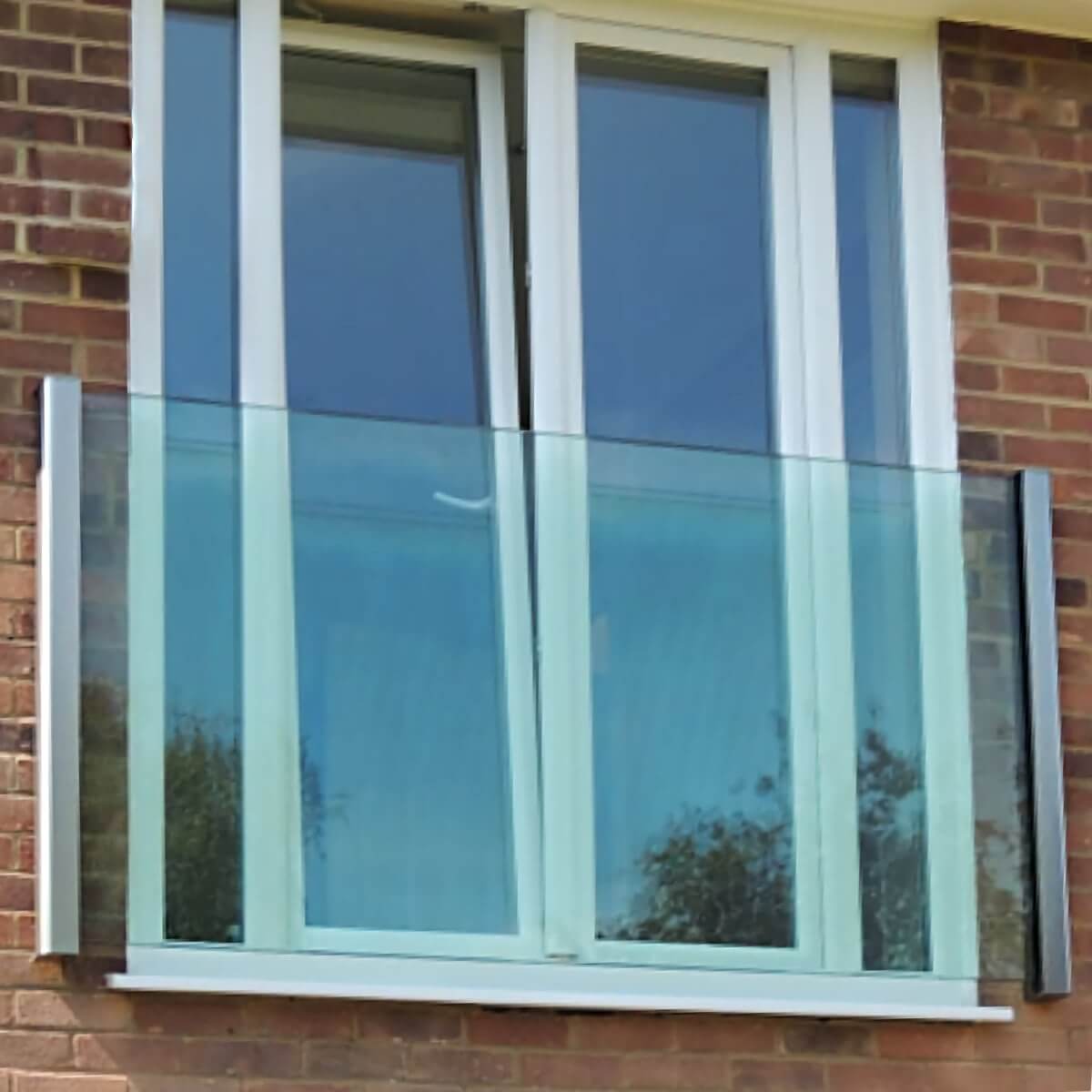
Are Juliet Balconies Safe for Pets and Children?
Let me paint you a picture. It's a sunny Saturday morning. You're holding a cup of coffee, leaning against the glass door, looking out over your garden from your trendy Juliet balcony. Your toddler toddles over, fascinated by the view. Or maybe your cat jumps up onto the sill, tail twitching. That moment of architectural beauty suddenly feels a lot like a heart attack waiting to happen.
Here's the truth, and forgive me for not sugar-coating this: Juliet balconies were never designed with the safety of tiny humans or four-legged family members in mind. They were designed for aesthetics and to meet fire escape codes in many jurisdictions. Seriously. That's the history. But does that mean they are automatically a death trap? No. It means you need to understand the gap—literally and figuratively—between what looks good and what is safe.
Look—I've spent over a decade inspecting these things, retrofitting them, and occasionally pulling people away from some truly terrifying code violations. The short answer to the question is: Juliet balconies are generally not safe for pets and children without significant modifications. The long answer is what follows, and I promise it's worth your time if you value your family's bones.
The Hard Truth About Juliet Balconies and Tiny Humans
The name itself is romantic, right? Juliet leaning over her balcony. But Shakespeare didn't have a two-year-old who could squeeze through a four-inch gap. That's the core issue. Most Juliet balcony installations rely on a simple railing system that is, at best, built for an average adult's center of gravity. Kids don't have that same center of gravity. They have a high center of gravity with a big head and wobbly legs.
The Fall Risk Isn't What You Think
We worry about kids climbing over the top. Sure, that's a risk. But honestly? The bigger, sneakier danger is the gap between the bottom of the railing and the floor. I've seen installations where there is a six-inch gap under the lowest bar. A curious toddler can easily roll or crawl through that space. It's not about climbing; it's about falling before they even stand up.
- Vertical bars vs. Horizontal bars: Horizontal bars are a climbing ladder for a child. Vertical bars are better, but the spacing must be tight. - The glass panel illusion: Glass panels feel safe because you can't climb them. But a determined kid or a panicked child can slam into glass that isn't tempered or laminated. That's a shattering nightmare. - The push factor: Kids push toys, chairs, their sibling. Anything that gives them a boost to look over the edge. That boost changes the geometry of the railing completely.
It's a big deal because regulations vary wildly. Some building codes require a minimum height of 36 inches for residential guardrails. Some require 42 inches. But your child's height doesn't read building codes. If the railing hits them at chest height, they can tip over it. Period.
Why Building Codes Are Only a Starting Point
Here's where I get a little fired up. People think, 'Well, it passed inspection, so it must be safe.' Not exactly. Building codes are a minimum standard. They are the legal floor, not the safety ceiling. A code-compliant Juliet balcony might still have a gap that a small cat can slip through or a railing that a four-year-old can scale in two seconds flat.
I remember a job where a family had a beautiful Juliet balcony with a glass railing. Code compliant. Looked amazing. Their three-year-old put a small stool against the glass, climbed up to press his nose against the pane, and the glass wasn't secured at the bottom with a kick plate. The stool slipped. The kid fell sideways. Luckily, just a bruise. But it was a wake-up call. The code allowed that stool to be pushed right up against the glass. Common sense says: never let that happen.
Pets and Juliet Balconies: A Recipe for Disaster?
If children are wobbly and curious, pets are determined and often oblivious. A dog sees a squirrel on the other side of that balcony railing. A cat sees a bird. The physics of that situation does not end well. Pets, unlike children, cannot be reasoned with. You cannot tell a cat that the 40-foot drop is a bad idea. They already know. They just don't care.
Cats: The Great Escapists
You might think cats are graceful. They are. Until they aren't. Cats on balconies are a massive concern. They can squeeze through gaps that seem impossibly small. If your Juliet balcony has horizontal bars spaced six inches apart, a determined cat can get its head through, then its shoulders. Suddenly, you have a cat hanging halfway off the edge.
- The landing factor: Cats are good at landing, but they need time. A drop from a second-story Juliet balcony doesn't give them enough time to right themselves. - Netting options: You need specialized pet netting, not just generic bird netting. It needs to be UV-stabilized and high-tensile strength. - The squeeze factor: Measure the gaps. If your pet's skull can fit through, assume the rest of them will follow. It's terrifying.
And then there are the distractions. A bird flies past. Your dog bolts toward the railing. If it's a low railing, the momentum alone can carry them over. A large dog leaning against a poorly installed railing system can pop a bracket. I've seen it happen with a Golden Retriever who just wanted to say hi to the mailman. The railing held, but the dog's full weight shifted, and the whole panel rattled loose. That's a heart-stopper.
Dogs: Size Matters, But Instinct Wins
Small dogs are essentially furry toddlers. They can fit through the same gaps. Large dogs have the mass to break things. The worst-case scenario for a large breed is a sudden lunge. The balcony design must account for dynamic loads, not just static weight. A sleeping dog is one weight. A dog that sees a squirrel and launches itself at the railing is a completely different force.
Honestly? If you have a high-energy dog, a Juliet balcony is a risk management problem. You either install a full-height secondary barrier, or you don't let the dog out there unattended. There is no middle ground that I can recommend with a straight face. I've seen too many close calls.
How to Make a Juliet Balcony Safer (Without Ruining the View)
So, you love the look. You bought the house. You have a kid and a Labrador. What now? You don't have to brick up the doorway. But you have to be smart. Honestly? I tell clients to think of a Juliet balcony like an unfenced pool. It looks nice, but you never leave a kid alone near it. Ever.
The Three Must-Have Modifications
If you want to keep pets and children safe, you need to add layers. One barrier isn't enough. You need redundancy.
1. Secondary Barrier: This is the gold standard. Install a second, interior gate or a removable mesh screen that sits inside the door frame. This means the balcony is only accessible when you deliberately open a gate. It's a psychological and physical stop. 2. Fill the Gaps: If the railing has horizontal bars or a large gap at the bottom, you need to close it. Use plexiglass panels (acrylic or polycarbonate) that clamp onto the inside of the railing. This stops climbing and prevents anything from slipping through. 3. Window Stops and Door Locks: This sounds simple, but most accidents happen because a door is left ajar. Install a lock that requires a key or a two-action motion to open. A chain lock at the top is useless if the kid can reach it. A deadbolt is better.
What About Balcony Netting?
Netting works, but you have to install it correctly. Balcony netting that is just draped over the railing is a weekend project, not a safety solution. It needs to be taught, secured at the top and bottom, and attached to the structure, not just the railing panels. A determined child or cat can push against loose netting and create a pocket they can escape through. Trust me, I've tested this. It doesn't always end well.
- Material: Use stainless steel mesh or high-strength polypropylene. - Installation: Use heavy-duty zip ties or turnbuckles. Do not rely on adhesive hooks. - Maintenance: Check it every season. UV rays degrade nets faster than you think.
The Door Itself Is a Hazard
We focus on the railing, but the door is part of the system. A French door that swings outward onto the balcony can be a problem. A child can stand on the door sill and lean back, putting their entire weight on the glass. A sliding door can be pulled open by a small dog. The hardware matters. Make sure the door has a secondary lock that isn't a simple turn knob. Use a keyed lock or a childproof safety latch at the very top of the frame where little hands can't reach.
Common Questions About the Safety of Juliet Balconies for Pets and Children
Is a glass Juliet balcony safe for cats?
A glass Juliet balcony is generally safer for cats than a barred one, because they can't slip through vertical gaps. However, if the glass isn't secured at the bottom, a cat can squeeze under it. You also need to consider that a panicked cat may claw at the glass or try to jump through it. Tempered glass is essential, but it's not a guarantee. A top frame and a solid bottom kickplate are non-negotiable for a cat.
At what age is it safe for children to be on a Juliet balcony?
There is no magic age. A five-year-old is still at risk of climbing or falling. A ten-year-old might be safe if you have a very high guardrail and they understand the risk. But I generally advise that children under the age of six should never be on a Juliet balcony without direct, active adult supervision. Even then, the adult should be within arm's reach. It's not a place for independent play.
Can I childproof my existing Juliet balcony without replacing it?
Yes, absolutely. You can add custom mesh screens, install interior gates, or fit polycarbonate panels over the existing railing. You don't need a full structural replacement. But you do need a professional assessment. Many DIY solutions look good but fail under load. Spend the money on a proper installation. It's cheaper than an emergency room visit.
Do building codes help with pet safety?
Not really. Most building codes are written with human safety in mind, specifically to prevent adults from falling. They rarely address pet safety. A gap that is too wide for a human head is still wide enough for a cat or a small dog. You are on your own when it comes to pet-proofing. You must measure the gaps yourself and decide what is acceptable for your specific animal.
What is the safest type of Juliet balcony for a family?
The safest Juliet balcony is one with a fixed glass panel system that is frameless (but structurally bonded) with a continuous bottom kickplate, and it is paired with an interior secondary safety gate. The glass should be laminated safety glass, not just tempered. Laminated glass holds together even when shattered. It's more expensive, but if you have kids and pets, it is the only choice that gives me peace of mind.
The Bottom Line
Look, I'm not going to tell you to rip out your Juliet balcony. They add light, open up a room, and frankly, they look great. But treat them like the potential hazard they are. They are not a safe outdoor space. They are a window feature with a railing. That distinction matters.
You cannot let your guard down. The moment you do, a kid finds a stool or a cat finds a ledge. If you want true peace of mind, build a second layer of defense—something between your living space and that railing. And check your hardware monthly. It's that simple. And that important.