
Professional Sensor Cleaning vs DIY Risks
You know that feeling. You’re out shooting landscapes at f/16, and when you get home, every single image has a little gray smudge in the same exact spot. It’s dust. Or oil. Or something that shouldn’t be on your sensor. And now you’re staring at a cleaning kit on Amazon, thinking, “How hard can it be?”
Look—I’ve been inside more camera bodies in the last decade than I care to count. I’ve seen the aftermath of DIY cleaning attempts that went sideways. And I’ve also cleaned sensors for national parks and commercial studios where a single speck would ruin a $10,000 shoot. So let’s cut through the marketing hype and the YouTube tutorials. Here’s the real deal on professional sensor cleaning versus the DIY risks you’re taking.
The Anatomy of a Sensor Cleaning Nightmare
Your camera’s sensor isn’t just a piece of glass. It’s a delicate, manufactured stack of filters and micro-lenses sitting on top of the actual imaging chip. That top layer? It’s often coated with anti-static or anti-reflective materials that can scratch, streak, or peel if you breathe on it wrong.
Why Your First Impulse Is Wrong
Seriously—the first thing most people do is grab a can of compressed air. That’s a terrible plan. Those cans can blast propellant onto your sensor, leaving a sticky residue that attracts even more dust. I’ve seen cameras come into the shop with that gummy film, and cleaning it off takes three times the effort. The DIY risks start with what seems like the simplest solution.
The truth is, the sensor is one of the most expensive components in your entire rig. A replacement can cost you several hundred dollars, and if you’re unlucky, it might just be cheaper to buy a new camera body. So when you start poking at it with a swab and a drop of methanol, you’re essentially taking an uninsured gamble.
The Hidden Damage Nobody Talks About
There’s a type of damage that doesn’t show up immediately. It’s called a “sticky aperture” situation. You clean your sensor, everything looks perfect on the LCD, but six months later you notice oil spots appearing in the same corner. That’s because DIY cleaning can sometimes redistribute lubricant from the shutter mechanism onto the sensor stack. A professional sensor cleaning technician knows to check for this.
I’ve also seen sensors with micro-scratches that only show up at f/16 or narrower. You can’t see them with your naked eye, but they create a hazy, soft look on every wide landscape shot you take. Once those scratches are there, they’re permanent. No amount of cleaning will fix them.
The Real DIY Risks That Aren’t Worth It
Let’s be honest. Most of us have successfully cleaned our own sensors at least once. I’m not going to pretend it’s impossible. But the difference between a successful DIY job and a catastrophic one often comes down to luck and environmental control. Let’s break down what you’re actually risking.
The Wet Method Hazards
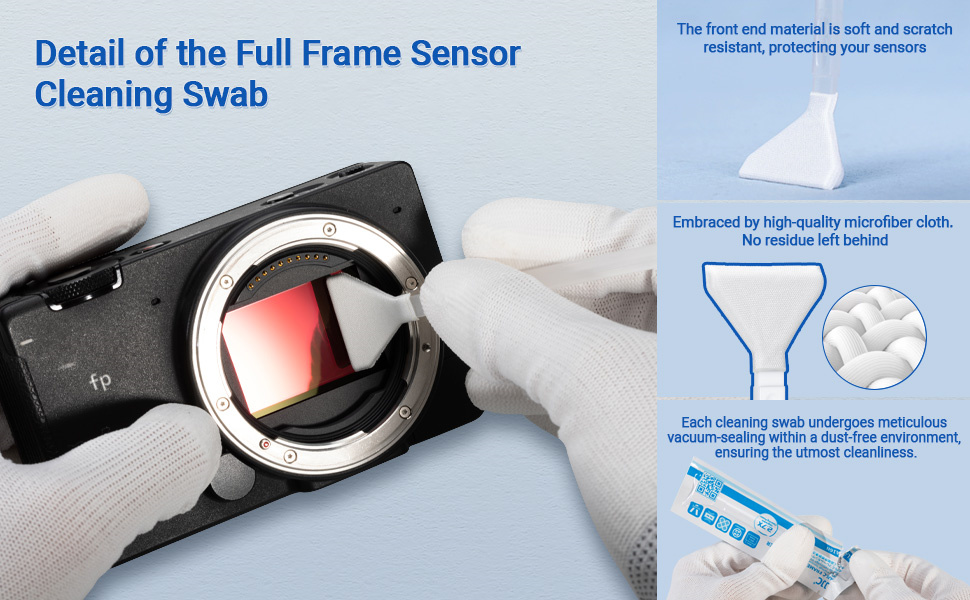
Using a sensor cleaning swab with a solution is the gold standard for DIY. But here’s the thing: you have to use the exact right amount of fluid. Too little, and you’re dragging a dry swab across the sensor, scratching it. Too much, and the fluid can seep down into the sensor cavity and damage the circuit board underneath.
I’ve personally serviced a camera where the owner used a generic electronic cleaning fluid instead of a sensor-safe solution. The fluid dissolved the adhesive holding the sensor’s infrared filter in place. The filter literally shifted during a shoot, and the images came out with a weird color cast. That was a $400 repair bill.
- Incorrect fluid choice: Can dissolve adhesives or leave residue. - Swab contamination: A single speck on the swab becomes a scratch. - Excessive pressure: Bending the sensor’s mounting structure. - Static discharge: Ruining the sensor’s electronics permanently.
When the Rocket Blower Backfires
The humble rocket blower is the most common tool in any photographer’s bag. I’ve got three of them. But here’s the kicker: if you use it wrong, you’re just moving dust around the mirror box. Worse, if the blower itself is dirty inside (and they get gross over time), you’re blasting new debris onto the sensor. A professional sensor cleaning service uses filtered, compressed air or a specialized vacuum system that actualy removes particles rather than relocating them.
And forget about using your breath. I know, it sounds like a joke, but I’ve had clients admit they “puffed on the sensor like a candle.” Your breath contains moisture, enzymes, and tiny food particles. It’s a recipe for a biofilm that makes sensor spots permanent.
Why Professional Sensor Cleaning Makes Sense
I’ve cleaned thousands of sensors. Professional cleaning isn’t just about having fancier tools—it’s about having a controlled environment and repeatable technique. It’s a process that eliminates guesswork.
The Step-by-Step Professional Process
First, we don’t just clean the sensor. We clean the entire path between the lens and the sensor. That includes the mirror (for DSLRs), the shutter curtain, and the sensor cavity. Here’s what a real professional sensor cleaning might look like:
1. Inspection: Under a microscope, we look for oil, dust, adhesive residue, or scratches. 2. Dry cleaning: A specialized anti-static blower removes loose particles. 3. Wet cleaning: A sensor-safe solution on a lint-free swab, using a single, continuous motion across the sensor. 4. Verification: Shooting a white wall at f/22 and checking the image at 300% zoom on a calibrated monitor. 5. Final inspection: Checking the sensor stack for any residual streaks or particles.
We also know when not to clean. Sometimes the debris is actually on the back of your lens or on the camera’s low-pass filter, not the sensor itself. A professional can diagnose the difference in seconds.
The Cost-Benefit Analysis Nobody Does
A professional sensor cleaning service typically costs between $30 and $75, depending on where you live and the complexity of your camera’s sensor. Compare that to the cost of a new camera body (or a sensor replacement, which can run $200 to $600). The math is pretty simple.
But honestly? The real cost is your time and frustration. I’ve had clients who spent an entire Saturday trying to clean a sensor, only to make it worse. They brought it in with streaks, scratches, and a new dust mote that had settled on the sensor while they were panicking. They paid for a professional cleaning anyway, and they lost a day of shooting.
Common Questions About Professional Sensor Cleaning vs DIY Risks
Can I damage my sensor by using a standard cleaning swab incorrectly?
Yes. The most common damage is a scratch on the sensor’s top filter from applying too much pressure or using a contaminated swab. The filter is not as hard as glass, and even a microscratch can degrade image quality at small apertures. Professional technicians are trained to apply the exact amount of pressure needed.
How often should I get a professional sensor cleaning?
That depends on your shooting environment. If you change lenses frequently in dusty or windy conditions, you might need a cleaning every three to six months. If you shoot mostly in a studio with prime lenses, once a year might be enough. A good rule of thumb: if you’re consistently cloning out spots in post-processing, it’s time.
Is a rocket blower safe for sensor cleaning?
A rocket blower is safe for loose debris, but it’s not effective for oil or sticky residue. Use it with the camera body facing downward so gravity helps remove the dust. Never touch the tip of the blower to the sensor surface, and make sure the blower is clean inside.
What if I see smears after a DIY cleaning attempt?
Smears usually mean you used too much cleaning fluid, or the swab was not fully saturated. Try a second pass with a fresh swab and a little less fluid. If the smears persist, take the camera to a professional. Continuing to wipe at a smear can damage the sensor coating.
Does professional sensor cleaning void my camera warranty?
No. Sensor cleaning is considered normal maintenance by most manufacturers. However, if a DIY attempt damages the sensor, that damage is typically not covered under warranty. Professional cleaning services also offer liability coverage in case of accidental damage.