
How Floating Discs Prevent Brake Warp and Heat Buildup
I remember the first time I felt it. You’re coming down a long mountain pass, smooth and confident, and then—pulse. Your brake pedal starts vibrating under your foot like it’s having a panic attack. The steering wheel wobbles. Your confidence? Gone. That’s the signature of a warped rotor. And for years, mechanics and enthusiasts alike thought the solution was simple: buy a thicker, better-ventilated rotor. But that only treats the symptom. The real fix? It’s not about making the rotor stronger. It’s about letting it breathe. That’s where floating discs come in.
Look—I’ve spent over a decade inside brake systems, from NASCAR pit lanes to your neighbor’s track-day Miata. And I’m telling you: understanding how floating discs work to prevent brake warp and heat buildup will change how you think about stopping your car. It’s not magic. It’s mechanical engineering at its finest.
The Root Problem: Why Heat and Warp Are Inseparable
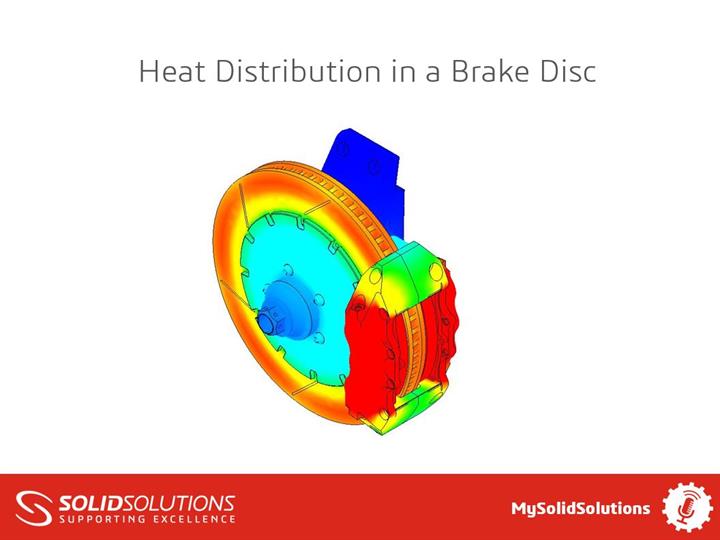
Let me paint you a picture. A standard one-piece rotor is basically a single hunk of cast iron. When you mash the brakes, friction turns kinetic energy into heat. A lot of heat. We’re talking 500°F to over 1,000°F on track days. That heat doesn’t spread evenly across the rotor surface. The disc expands where it’s hottest. But because the entire rotor is one solid piece, that expansion creates internal stress. The metal distorts. It goes from flat to wavy. And once it’s wavy, the pads can’t make even contact. That’s your pedal pulsation. That’s brake warp.
Honestly? The term “warp” is a bit of a misnomer. Most rotor distortion isn’t actually permanent bending. It’s often uneven material transfer from the pad, combined with thermal expansion that the rotor can’t release. Still, the result is the same—you get vibration, noise, and reduced stopping power. It’s a big deal.
Why a Solid Rotor Traps Heat
A solid one-piece rotor is a thermal prison. The inner hub and the outer friction ring are welded or cast together. When the friction ring gets hot, it wants to expand outward. But the hub, which is cooler and more rigid, fights that expansion. That creates a tug-of-war inside the metal. The result? The rotor develops high spots and low spots. It’s not a flat surface anymore.
Nothing about that design helps with heat buildup. The heat just sits there, baking into the hub, eventually migrating into your wheel bearings and spindle. I’ve seen wheel bearings fail early simply because a solid rotor acted like a giant heat sink. The heat had nowhere else to go.
How Traditional Ventilated Rotors Fall Short
You might think, “But my rotors have vents between the faces. Isn’t that enough?” It helps. Seriously, it does. Vented rotors allow some airflow through the center, which pulls heat out of the friction surfaces. But the fundamental problem remains—the hub and the friction ring are still one solid piece. That rigid connection means thermal expansion is still constrained. The rotor can still distort. And on heavy use—track days, towing, aggressive mountain driving—those vents simply can’t shed heat fast enough.
So the industry needed a different approach. A way to let the friction ring expand without fighting the hub. Enter floating discs.
The Floating Disc Solution: Mechanical Freedom
A floating disc is exactly what it sounds like. The friction ring—the big shiny part the pads bite into—is not rigidly attached to the central hub. Instead, they’re connected by a series of loose fittings called bobbins or drive pins. The ring can slide or “float” on these connections. It moves radially outward as it heats up. It can even tilt slightly to self-center against the pads.
This design is revolutionary for one simple reason: it breaks the thermal connection. The friction ring expands freely, independent of the hub. That freedom eliminates the internal stress that causes brake warp. No stress, no distortion, no pulsation.
The Bobbin System Explained
Let’s get into the nuts and bolts. A typical floating disc uses a set of metal bobbins that pass through corresponding holes in both the hub and the friction ring. The bobbins are usually made of a different material—sometimes stainless steel, sometimes titanium for race cars. They’re secured with circlips or small retaining clips on each end.
Here’s the key: there’s a tiny gap between the bobbin and the hole in the friction ring. Seriously, we’re talking thousandths of an inch. That gap allows the ring to expand radially as it heats up. It also allows a slight axial float, meaning the disc can wobble just enough to stay perfectly aligned between the pads. That self-aligning action reduces pad knockback—a phenomenon where the pads get pushed away from the rotor, making the pedal feel long on the first application.
It’s a big deal. It’s the difference between a brake system that fights itself and one that works with physics.
Expansion Without Distortion
When the friction ring heats up on a floating disc, it grows. It gets larger in diameter. But because the hub isn’t fighting it, that growth happens evenly. There’s no hot spot stress concentration. The ring stays flat. And a flat ring means even pad contact, which means consistent friction and no vibration.
I’ve run floating discs on cars that see 30-minute track sessions in 95°F heat. After a full session, you can touch the center hub of the rotor and it’s still cool. The friction ring? Glowing. That thermal isolation is real. It protects the hub, the bearings, and the suspension components from heat buildup. Your brake fluid stays cooler too, which reduces the risk of fluid fade. Honestly? That alone is worth the upgrade cost for anyone who drives hard.
Real-World Benefits You’ll Actually Feel
Theory is great, but you want to know what this means when you’re driving. I’ll tell you.
First, that pedal pulsation? Gone. You can brake from 130 mph to 30 mph lap after lap, and the pedal stays rock solid. No vibration, no weird feedback. That consistency builds confidence, and confidence lets you brake later and harder.
Second, cooling. Because the heat is isolated to the friction ring, the rotor cools down faster between braking events. That means less thermal buildup over a session or a long descent. You’re less likely to experience brake fade, and your pads will last longer because they’re not cooking at extreme temperatures.
Third, reduced unsprung weight. Many floating discs use an aluminum center hub instead of a heavy iron one. That’s a direct weight savings on your suspension. Less unsprung weight means better ride quality and sharper turn-in. It’s a win-win.
Reduced Fade and Better Pedal Feel
Brake fade is terrifying. You press the pedal and nothing happens—or the pedal goes to the floor. It’s usually caused by boiling brake fluid or overheated pads. A floating disc doesn’t fix the pad compound or the fluid, but it drastically reduces the heat transfer to the fluid reservoir and the caliper. By keeping the hub cooler, the caliper stays cooler. The fluid stays out of the vaporization zone. The result? A firm, predictable pedal even under extreme use.
I’ve had drivers tell me they switched to floating rotors and their pedal didn’t change for an entire 45-minute race. With solid rotors, they’d have a soft pedal by lap 10. That’s the difference thermal isolation makes.
Longevity and Maintenance Considerations
Here’s the thing—floating discs do require a bit more attention. You need to check the bobbins periodically for wear or looseness. Over time, the clips can fatigue, and the bobbin clearance can grow. Some cheap floating rotors develop an annoying rattle because the clearance was too big from the start. But a quality setup—from brands like AP Racing, Brembo, or Girodisc—will stay tight for many miles if maintained.
You also can’t just swap the friction ring on every floating disc. Some designs are “two-piece integral”—the ring is bolted or riveted and can be replaced separately. That’s actually a cost advantage. You wear out the ring, you buy a new ring, not a whole new rotor. That can save significant money over time, especially for heavy users.
- Check bobbins for play every other brake pad change.
- Listen for rattles during slow-speed driving. Excessive rattle means worn clips.
- Replace the entire assembly if the hub gets damaged—most hubs outlast multiple rings.
- Use anti-seize on the bobbin pins during reassembly to prevent galling.
Installation and Compatibility: What You Need to Know
You can’t just bolt floating discs onto any car. Well, you can, but you need to know what you’re doing. The rotor thickness must match your caliper piston depth. The overall height must match the hat offset—otherwise your caliper won’t center over the friction ring. And you need the correct bolt pattern or drive pin arrangement.
Most aftermarket floating discs come as a complete assembly. You remove your old one-piece rotor, bolt on the new hat and ring assembly, and you’re done—assuming your calipers and pads are compatible. But if you’re switching from a solid rotor to a floating setup, you may need adapter brackets or even different calipers. Always check the manufacturer’s fitment guide.
Street vs. Track: Do You Need Them?
Honestly? If you only drive to the grocery store and never exceed 60 mph, you don’t need floating discs. A quality one-piece vented rotor from Bosch or Centric will serve you fine. But if you autocross, track your car, tow heavy loads, or live in a mountainous area, floating rotors are a genuine upgrade. They reduce the heat stress on your entire brake system. They eliminate the distortion that causes pulsation. And they prolong the life of your wheel bearings and seals.
I’ve seen too many street cars with slight brake pulsation that owners assume is normal. It’s not. It’s a sign that your rotors are struggling with thermal expansion. A floating disc is the cure.
- Assess your driving conditions. Do you see sustained high-speed braking?
- Check your current rotor condition. Are there hot spots or a blue tint on the iron?
- Measure your caliper clearance. Some floating discs are thicker at the hub.
- Budget for the upgrade. Expect to pay 2–3x the cost of a standard rotor per corner.
- Plan for routine bobbin inspection. It takes 5 minutes per wheel.
Common Questions About How Floating Discs Prevent Brake Warp and Heat Buildup
Do floating discs eliminate brake warp completely?
Yes, in the traditional sense. They eliminate the thermal stress that causes a one-piece rotor to distort unevenly. A floating ring expands freely, so it stays flat. However, you can still get pad material transfer or glazing if you use the wrong pad compound. That feels like warping, but it's a surface issue, not a structural one. The physics of brake warp are addressed by the floating design. No question.
Are floating discs worth the extra money for a daily driver?
Usually not, unless you drive aggressively or live where you brake heavily from high speed repeatedly. For a standard daily commute, a good-quality one-piece vented rotor is sufficient. But if you enjoy spirited back-road driving, or if you live in a hilly area, the investment buys you consistent pedal feel and longer component life. It's about matching the hardware to your actual driving demands.
Can floating discs reduce heat buildup even without upgraded cooling ducts?
Absolutely. The thermal isolation between the friction ring and the hub is the primary mechanism. Even without additional ducting, the ring can shed heat faster because it's not conducting energy into the hub and spindle. The ring runs hotter, but the rest of the system runs cooler. That's a net win. Adding ducts helps even more, but the floating design does the heavy lifting.
How often do floating discs need maintenance?
Check the bobbins every time you change pads, which is typically every 10,000 to 20,000 miles for street use. Look for excessive side-to-side play or loose retainer clips. On track cars, inspect before every event. A clattering noise at low speeds means the clearance has grown too large. Replace the retaining clips if needed. The disc itself can last through multiple pad sets if maintained correctly.
Do floating discs work with any brake pad compound?
Yes, but the benefits are most noticeable with high-friction, high-temperature pads. Those pads generate more heat, which is exactly where the floating disc's thermal isolation shines. With a low-performance organic pad, you won't see as much difference because you're not generating enough heat to stress the rotor. Pair the floating disc with a pad rated for your use—semi-metallic or ceramic for street, racing compound for track—and you'll get optimal results.