
Is 220V Power Always Single Phase? Let's Clear Up the Confusion Once and For All
I remember the first time I got this call from a homeowner who had just bought a European espresso machine. He was staring at the label: “220V.” He looked at his panel. He saw two breakers tied together. He assumed it was single phase. Spoiler: he was wrong. And honestly? That confusion is more common than you’d think.
So let’s settle this right now. Is 220V power always single phase? The short answer is no. The longer answer involves understanding how voltage is delivered, how your country’s grid works, and what “phase” actually means in practical terms. Stick with me—I’ll make this painless.
The Core Truth: Voltage Doesn’t Dictate Phase
Here’s the thing that trips up most people: 220V is just a voltage level. It’s a measurement of electrical potential difference. It doesn’t tell you whether that power is coming from one phase, two phases, or three phases. Think of voltage like speed—knowing a car is going 60 mph doesn’t tell you if it’s a sedan, a truck, or a motorcycle. Same idea here.
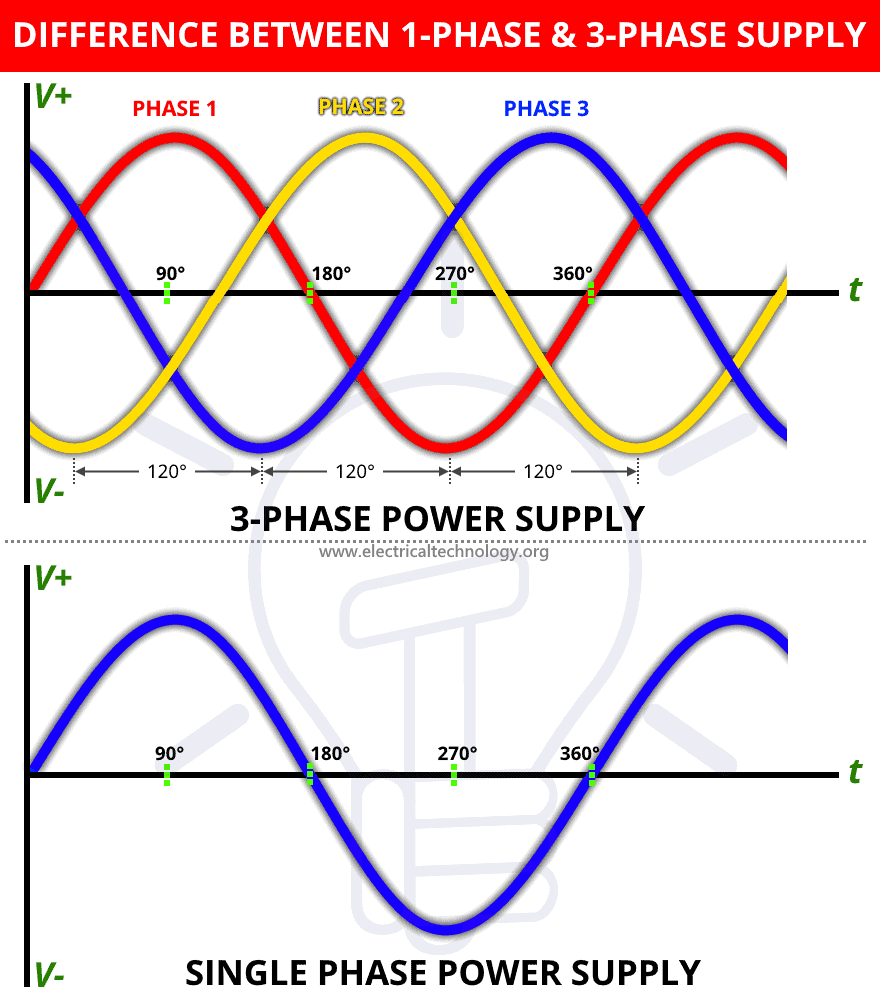
Single phase power means you have one alternating current waveform. Three phase power means you have three waveforms, each offset by 120 degrees. Both can deliver 220V. The difference lies in how the utility company configures the transformer and what you’re actually tapping into.
Why This Confusion Exists in the First Place
Look—if you live in North America, you’ve probably seen a 240V outlet for your dryer or oven. That setup uses two 120V “hot” legs that are 180 degrees out of phase. People call it single phase because it comes from a single transformer winding with a center tap. But technically? It’s split-phase. It’s not the same as true single phase 220V found in Europe or Asia.
In many parts of the world, 220V single phase is the standard household voltage. One hot wire, one neutral, one ground. Simple. But in industrial settings, 220V three phase is common for motors, pumps, and heavy machinery. Same voltage. Completely different beast.
When 220V Is Single Phase (And When It’s Not)
Let’s break this down by real-world scenarios. Because theory is great, but you need to know what you’re actually dealing with when you open that panel.
Residential 220V: Usually Single Phase (With a Twist)
In most homes outside North America, 220V single phase is the norm. You’ve got one live wire carrying 220V relative to neutral. Your outlets, lights, and appliances all run on that single phase. It’s straightforward. It’s what electricians call “line to neutral” voltage.
But here’s where it gets sneaky. In the US and Canada, residential 240V is delivered as split-phase. You have two 120V legs. When you connect across both legs, you get 240V. Is that single phase? Technically yes, because both legs come from the same transformer winding. But it behaves differently than a true 220V single phase system. Your dryer doesn’t care. Your electrician should.
Industrial 220V: Often Three Phase
Walk into any factory or commercial building, and you’ll find 220V three phase systems. These use three hot wires, each carrying 220V relative to neutral, but with a 120-degree phase shift between them. Why? Because three phase power is more efficient for motors and heavy loads. It delivers smoother power and reduces the size of wiring and equipment.
I’ve seen people try to run a three phase motor on a single phase 220V supply. It doesn’t end well. The motor hums, gets hot, and refuses to start. You need a phase converter or a VFD (variable frequency drive) to make it work. So no—220V is not always single phase, and assuming it is can cost you time and money.
How to Tell What You’re Actually Working With
You don’t need to guess. Here’s how to identify whether your 220V power is single phase or three phase:
- Count the wires. Single phase 220V typically uses two wires (hot and neutral) plus ground. Three phase uses three or four hot wires plus ground. - Check the voltage between wires. On a single phase system, measuring between the two hot legs gives you 220V. On a three phase system, measuring between any two phases also gives you 220V (in a 220V system), but measuring phase to neutral gives you about 127V. - Look at the breaker. A single pole breaker usually means single phase. A three pole breaker tied together usually means three phase. - Read the equipment label. This sounds obvious, but I’ve seen people ignore it. If it says “220V 1Ph,” you’re good. If it says “220V 3Ph,” you need three phase.
Common Mistakes I See in the Field
Honestly? The biggest mistake is assuming that because you have 220V at the outlet, you can plug in any 220V device. That’s like assuming all gas stations sell diesel. Here are the top errors:
- Using a single phase motor on a three phase supply. It will run, but poorly, and you risk damage. - Connecting a three phase device to single phase 220V. It won’t start. Period. - Assuming 220V and 240V are identical. They’re close, but some equipment is sensitive. Check tolerances. - Ignoring frequency. 220V at 50 Hz (Europe) vs 220V at 60 Hz (some parts of Asia) matters for motors and clocks.
The Global Picture: Why 220V Isn’t the Same Everywhere
Here’s where it gets really interesting. 220V power is used worldwide, but the phase configuration varies by region and application.
In Europe, the standard is 220V single phase at 50 Hz for homes. But industrial facilities often use 220V three phase (or 400V three phase, with 230V phase to neutral). In Japan, you’ll find 100V in most homes, but 200V single phase and three phase exist for larger appliances. In the US, residential is 120/240V split-phase, while commercial is often 120/208V three phase or 277/480V three phase.
The key takeaway? Voltage alone tells you almost nothing about phase. You need to know the system configuration, the number of wires, and the frequency. Don’t assume. Measure. Verify.
Why This Matters for Your Project
Whether you’re wiring a home workshop, installing industrial equipment, or just trying to run a foreign appliance, understanding 220V single phase vs 220V three phase is critical. Get it wrong, and you’re looking at fried electronics, tripped breakers, or worse—a fire hazard.
I’ve seen a $10,000 CNC machine destroyed because someone assumed the 220V outlet in their garage was single phase. It was actually two legs of a three phase system. The machine ran for about 30 seconds before the magic smoke escaped. Don’t be that person.
Common Questions About 220V Power and Single Phase
Can I get 220V single phase from a three phase panel?
Yes, you can. In a three phase system, you can take power from any one phase to neutral, which gives you 220V (or 230V, depending on the system). That’s single phase. You can also take power between two phases, which gives you 380V or 400V—not 220V. So if you need 220V single phase, use phase to neutral.
Is 220V always safer than 110V?
No. Voltage doesn’t determine safety—current does. Both 220V and 110V can kill you if the conditions are right. The real safety factors are proper grounding, GFCI protection, and using the right gauge wire. Don’t let the voltage number fool you into complacency.
Why do some countries use 220V and others use 110V?
It’s mostly historical. Early electrical systems were developed independently. 110V was chosen by Thomas Edison for safety reasons. 220V became standard in Europe because it allowed thinner copper wires for the same power delivery. Both work fine. Neither is inherently better.
Can I convert a 220V single phase device to run on three phase?
Not directly. You’d need a phase converter or a VFD. Some devices, like certain motors, can be rewired if they have both star and delta configurations. But most consumer appliances cannot be converted. Check the manufacturer’s specs before attempting anything.
Does 220V single phase use less electricity than three phase?
No. Power consumption depends on the load, not the phase configuration. A 2 kW heater will draw 2 kW whether it’s single phase or three phase. The difference is in efficiency for motors and the ability to handle larger loads with smaller wiring. Three phase is more efficient for heavy equipment, but it doesn’t save you money on your electric bill for the same amount of work.
Final Thoughts on 220V and Single Phase
So, is 220V power always single phase? Absolutely not. It can be single phase, split-phase, or three phase depending on where you are and how the system is wired. The voltage number is just a number. The phase configuration is what determines how your equipment behaves and what you can safely connect.
If you take one thing away from this, let it be this: never assume. Check the nameplate. Measure with a multimeter. Count the wires. And if you’re unsure, call an electrician. It’s cheaper than replacing a motor or dealing with a fire.
Now go forth and wire with confidence. Just don’t forget to turn off the breaker first. Seriously.